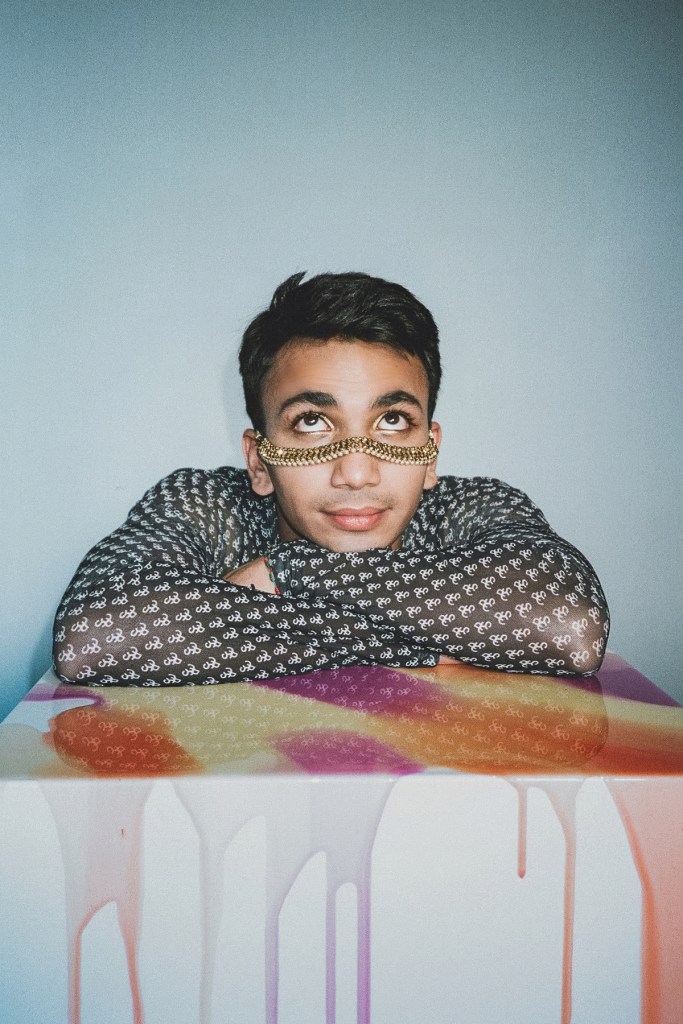
photo by Jun Lu
Shahamat grew up in Roswell, Georgia, where his parents settled after leaving Bangladesh. He spent much of his adolescent life waiting tables with his dad at their family restaurant, his childhood playing in the hidden corners of it. The restaurant’s homestyle Bangladeshi certainly drew guests in, but beyond any dish or flavor, it was his dad’s storytelling that was the restaurant’s staple sell. Stories so good that it was easy to ignore the ten-year-old kid running between tables, spinning tales of his own.
It was only natural that Shahamat inherited this love for storytelling. His first published piece was a controversial ranking of the best and worst plush toys for his elementary school’s PTA newsletter. He followed this editorial passion into his college years where he served as the Intersections Editor for the Tulane Hullabaloo. There, he authored a bi-weekly column on issues surrounding race, queer identity, and intersectionality that garnered some of the highest levels of engagement since the newspaper’s inception in 1905.
His love for storytelling now lives on his capacity as a freelance journalist, anthology editor, and fiction writer. His first major editorial story appeared in Vogue India in 2022. The story uncovered how South Asian drag queens draw beauty inspiration from elder Brown women in their lives, signaling his favorite beats to write about: queerness and South Asian identity. Since then, his writing has continued to appear in Vogue India, but also in them, Refinery29, Teen Vogue, Vulture, Interview Magazine, New York Magazine, The Nation, Vogue, The Cut, Business Insider, PopSugar, and more.
In June 2023, he signed with JKP Books and Hachette Book Group to produce an anthology of queer South Asian stories. The book is scheduled to release internationally in fall 2026.
In June 2025, Shahamat made his fiction debut with a short story, “How to Get Over Someone Who You Fall in Love with While You’re on Molly,” published in the print edition of Tax Magazine‘s fifth issue and later featured online.
Alongside editing his anthology, Shahamat is currently working on his debut novel, White Boys Don’t Have Lips.
In August 2023, Feminist named Shahamat one of the “Top 10 South Asian Thought Leaders to Follow in 2024.” The following year, ADCOLOR recognized him as one of three rising stars among all creative industries, for his contributions to impact-driven public relations strategy.

